

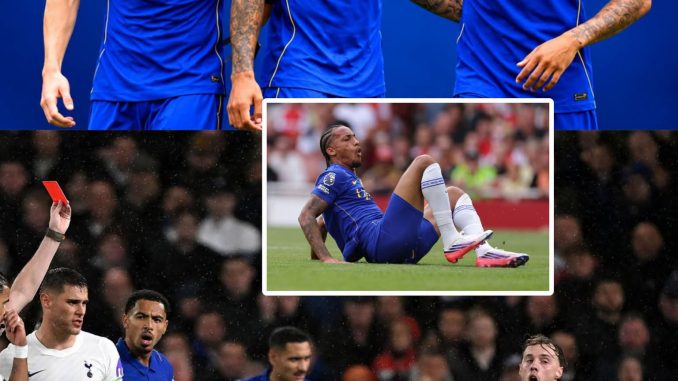

João Pedro’s Absence Exposes Chelsea’s Biggest Attacking Problem Against Tottenham
Chelsea’s attacking performance against Tottenham has raised fresh questions about the team’s ability to create chances when João Pedro is unavailable. The Brazilian forward’s absence was noticeable as the Blues struggled to find their rhythm in the final third, leaving supporters wondering whether the team has become too dependent on his movement, creativity and link-up play.
Cole Palmer and Morgan Rogers found it difficult to make the desired impact, while Palmer’s red card made an already challenging situation even more complicated. Chelsea needed greater attacking movement, better combinations and more consistent creativity, but they struggled to produce those qualities throughout the game.
For Chelsea supporters, the performance highlighted an important question: Has João Pedro become the missing piece in Xabi Alonso’s attacking system?
The Brazilian offers more than goals. His ability to connect midfield with attack, find space between defenders and bring teammates into dangerous positions can make a significant difference to the way Chelsea approach games.
Without him, the Blues appeared to lack some of the attacking fluency that makes them dangerous. While one match cannot tell the entire story, the performance provides plenty for Alonso and his coaching staff to consider.
Chelsea Miss João Pedro’s Movement and Creativity
One of the biggest challenges for Chelsea against Tottenham was turning possession into genuine attacking opportunities. Having the ball is important, but teams also need intelligent movement, quick combinations and players who can create space for others.
This is where João Pedro can make a difference.
The Brazilian forward is capable of dropping deeper to receive the ball, linking up with attacking midfielders and making forward runs that unsettle opposition defenders. His movement can give Chelsea an additional passing option while helping teammates find space in dangerous areas.
When a player performs these roles effectively, his contribution is not always reflected in goals and assists. Sometimes, the most important work happens before the final pass or shot.
Chelsea appeared to miss that connection against Tottenham. The attack struggled to develop a consistent rhythm, and the team needed more ideas to break through the opposition’s defensive structure.
That does not mean João Pedro would have solved every problem on his own. However, his presence could have offered Chelsea another way to create chances and maintain pressure in the final third.
Cole Palmer and Morgan Rogers Struggle to Find Their Rhythm
Cole Palmer and Morgan Rogers are players Chelsea supporters will expect to influence games, particularly when the team needs creativity and decisive moments in attack.
However, the Tottenham encounter proved difficult for Chelsea’s attacking players.
Palmer struggled to produce the influence supporters wanted to see before his red card added another setback to the contest. His ability to create chances, find pockets of space and make decisive contributions remains an important part of Chelsea’s attacking plans, but the team needs to find ways to make its attacking play more consistent.
Rogers also faced difficulties making things happen. Chelsea needed better combinations between the attacking players, quicker movement off the ball and more effective use of the spaces available.
It would be unfair to place the entire responsibility on Palmer and Rogers. Attacking football depends on the collective performance of the team, including the quality of service from midfield, the positioning of teammates and the movement that creates passing options.
Nevertheless, the performance showed why Chelsea need their key attackers to develop a stronger understanding and find ways to influence matches even when one important player is missing.
Why João Pedro Could Be So Important to Xabi Alonso’s System
Xabi Alonso needs an attack that can adapt to different opponents, especially when Chelsea face teams that defend compactly and attempt to limit space around the penalty area.
João Pedro’s versatility can help with that challenge.
Rather than operating only as a player who waits for chances inside the box, he can participate in build-up play, combine with teammates and move into spaces that disrupt defensive organisation.
That flexibility can be valuable in a system that asks attackers to rotate positions and make intelligent decisions depending on how an opponent defends.
When João Pedro is available, Chelsea have another player capable of connecting different areas of the pitch. His movement can help create passing lanes, open space for runners and give the team more options when its first attacking approach is blocked.
Without that option, Chelsea may need to rely more heavily on individual moments of brilliance from players such as Palmer and Rogers.
The answer is not simply to depend on one forward. Alonso must develop an attacking structure that remains effective when different players are unavailable. However, getting João Pedro back into the side could give Chelsea an important additional dimension.
Palmer’s Red Card Made a Difficult Afternoon Even Harder
Chelsea’s attacking struggles were not the only talking point from the Tottenham match. Palmer’s red card added another complication and made an already difficult situation even more challenging.
Losing a player during a match can disrupt the team’s structure, reduce its attacking options and force the manager to reconsider his tactical approach.
For Chelsea, the incident meant the team had another problem to manage while already struggling to find consistent attacking solutions.
It is important to separate the issues. João Pedro’s absence affected the attacking options available to Alonso, while Palmer’s dismissal created a different challenge during the game. Both situations influenced the overall picture, but they should not be treated as the same problem.
Chelsea need to learn from the performance, improve their attacking connections and ensure that difficult moments do not prevent the team from carrying out its game plan.
Chelsea Must Find Solutions Beyond João Pedro
Although João Pedro’s absence was noticeable, Chelsea cannot afford to become dependent on one player to make their entire attack function.
Every competitive team experiences injuries, suspensions and periods when important players are unavailable. The strongest sides find ways to remain dangerous by developing alternative attacking combinations and giving several players responsibility for creating chances.
For Chelsea, that means improving the understanding between Palmer, Rogers and the other attacking options. It also means finding better ways to move the ball into dangerous areas and creating space through coordinated movement rather than relying exclusively on individual skill.
Alonso will need to assess whether changes in positioning, the timing of forward runs or the balance between midfield and attack can help the team become more effective.
João Pedro can be an important part of those solutions, but the bigger objective must be to build an attack that works collectively.
If Chelsea can combine his link-up play with Palmer’s creativity and Rogers’ attacking qualities, the team could become more difficult to defend against. The challenge is making those qualities work together consistently.
Chelsea Fans Have Every Reason to Demand a Better Attacking Performance
Supporters want to see Chelsea create chances, attack with confidence and make life difficult for their opponents. When the team struggles to produce those qualities, questions about its tactics and personnel are inevitable.
The Tottenham performance has given fans another reason to discuss the importance of João Pedro and the balance of Chelsea’s attack.
Some supporters may believe his absence explains much of the team’s lack of fluency. Others may argue that players such as Palmer and Rogers must take greater responsibility, regardless of who is available.
Both arguments raise important points.
A forward with João Pedro’s qualities can improve the team’s attacking combinations, but Chelsea also need more consistency from the entire side. Better movement, smarter passing and improved decision-making are essential if Alonso wants his team to compete at the highest level.
The coming matches will provide more opportunities to assess how Chelsea respond and whether their attacking play improves when their options change.
For now, the biggest lesson is clear: Chelsea need more than individual talent. They need an attacking system that allows their best players to bring out the best in one another.
Leave a Reply