

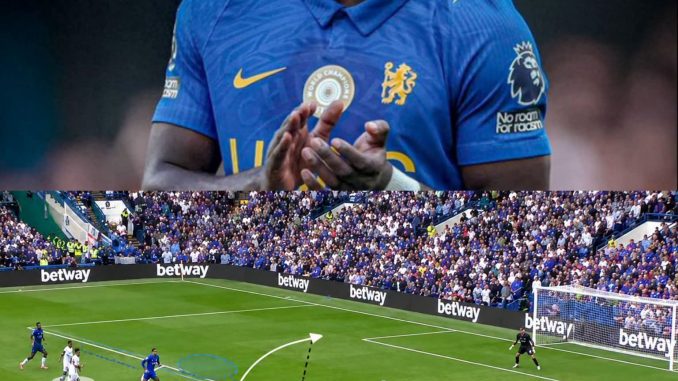

Chelsea’s Defensive Problem Exposed: Alonso Must Fix These Costly Mistakes
Chelsea’s defensive problems are becoming a major talking point, with concerns growing over the space opponents can find when attacking the Blues. While Xabi Alonso’s tactical system may leave the team exposed at certain moments, the players must also take responsibility for their positioning, communication and defensive decisions.
One of the biggest concerns is how easily opponents can play through Chelsea’s defensive structure with a single pass. When the midfield is caught too far forward and the centre-backs are not properly positioned, the opposition can exploit the gaps before Chelsea have time to recover.
For a team that wants to control matches, press aggressively and attack with confidence, these defensive weaknesses cannot be ignored.
The problem is not simply about conceding chances. It is about how easily those chances can be created when Chelsea lose their shape.
Chelsea’s Defensive Problems Are Becoming Difficult to Ignore
There is a worrying pattern in the way Chelsea can become exposed when possession is lost or an opponent manages to bypass the first line of pressure.
The biggest issue is the amount of space that can appear between the midfield and defensive lines. When those distances become too large, opposing players have more time to receive the ball, turn and look for forward passes.
In the situation highlighted, Lavia is caught high up the pitch, while the centre-backs appear poorly positioned to deal with the developing attack. At the same time, there is not enough immediate pressure on the ball to prevent the opposition from finding a dangerous passing option.
That combination creates a serious problem.
When the midfield cannot recover quickly and the defenders are unable to close the gaps, Chelsea become vulnerable to simple forward passes that eliminate several players at once.
The opposition does not always need a complicated attacking move to cause damage. Sometimes, one accurate pass is enough to turn a promising defensive situation into a dangerous one.
For Chelsea, that is exactly the kind of situation that must be addressed.
How One Simple Pass Can Expose Chelsea’s Backline
Modern football demands more than simply having talented defenders. Teams must understand when to press, when to hold their positions and when to move together to protect dangerous spaces.
Chelsea need to improve in all these areas when their defensive structure begins to break down.
When Lavia is caught too far forward, the players behind him must recognise the danger immediately. The centre-backs need to understand whether they should step forward to challenge the receiver, maintain their line or drop back to protect the space behind them.
Those decisions must be coordinated.
If one defender steps forward while another drops too deep, the team can become stretched. If nobody takes responsibility for closing down the ball, the opponent has the freedom to pick out a pass through the middle.
That is why defensive positioning is so important.
Chelsea cannot afford to leave large gaps between the midfield and defence, especially against opponents who are comfortable playing through pressure. A well-timed pass can take multiple players out of the game and leave the remaining defenders facing a difficult situation.
The answer is not always to defend deeper. It is to defend smarter, recognise danger earlier and ensure that every player understands his responsibility.
Is Xabi Alonso’s Tactical System Part of the Problem?
It would be unfair to blame every defensive mistake on the players without examining the tactical system they are being asked to execute.
Xabi Alonso wants his teams to be proactive, organised in possession and capable of committing players forward to create attacking advantages. Such an approach can help Chelsea control matches and put pressure on opponents.
However, an aggressive system comes with risks.
When full-backs or midfielders move forward, the players behind them must maintain the right balance. The team needs enough defensive cover to deal with counter-attacks, particularly when possession is lost in dangerous areas.
If too many players move forward without proper protection behind them, Chelsea can leave open spaces that opponents will try to exploit.
That does not automatically mean Alonso’s system is wrong. It means the execution and defensive balance must be good enough to support the approach.
A tactical plan can only work consistently when the players understand their roles and react quickly when situations change.
Alonso must therefore find the right balance between attacking ambition and defensive security. Chelsea should not have to abandon their attacking principles, but they cannot allow those principles to leave the backline unnecessarily exposed.
Why Chelsea’s Defensive Positioning Must Improve
One of the most important lessons from this situation is that individual defensive quality cannot always compensate for poor positioning.
Even experienced centre-backs can struggle when they are forced to defend large spaces without adequate support. When midfield protection disappears, defenders must make difficult decisions under pressure.
Chelsea need to reduce the distance between their midfield and defensive lines so that opponents have fewer opportunities to receive the ball in dangerous areas.
The defensive line must also recognise when to push forward together and when to retreat. If the players move at different times, opponents can exploit the space created between them.
There must be a clear understanding of who presses the ball, who covers the space behind the pressing player and who protects the central passing lanes.
These details might appear small, but they can determine whether a team wins the ball back or allows an opponent to attack with little resistance.
Chelsea have to become more disciplined in these moments. Good defending starts before a tackle is made. It begins with anticipation, positioning and the ability to recognise danger before it becomes an emergency.
Communication and Urgency Are Just as Important as Tactics
Another concern is the speed of Chelsea’s reaction when the opposition begins to move forward.
Defending requires urgency. Players cannot afford to wait for a teammate to solve a problem that is developing directly in front of them.
If the player on the ball has too much time, the rest of the defensive unit must work harder to protect the available passing options. The nearest player needs to apply pressure, while teammates must cover potential passing lanes and prepare to challenge the next receiver.
Without communication, those responsibilities can become unclear.
One player may expect a teammate to step forward, while that teammate believes he should hold his position. The result is hesitation, and hesitation gives opponents valuable time.
Chelsea need their defenders and midfielders to communicate more effectively, particularly when the team is pressing high or recovering after losing possession.
The response must be immediate and coordinated. Players need to recognise danger, support one another and avoid leaving teammates isolated against attacking opponents.
A strong defence is not built on individual talent alone. It depends on eleven players understanding how to work together.
What Chelsea Must Change to Become More Solid
There are several areas Chelsea should focus on if they want to reduce the number of dangerous situations created against them.
1. Protect the space between midfield and defence.
The gap between the two units must remain manageable. When a midfielder moves forward to press or support an attack, another player must be ready to provide cover.
2. Improve the reaction after losing possession.
Chelsea need a coordinated response when an attack breaks down. Players must either apply immediate pressure to recover the ball or retreat quickly enough to protect the space behind them.
3. Make better decisions when pressing.
Pressing aggressively is useful only when the players move together. One player pressing alone can leave passing lanes open and create more problems than the press solves.
4. Keep the defensive line organised.
The centre-backs must communicate clearly and make coordinated decisions about when to step forward, hold their line or drop back. The objective is to avoid giving opponents easy access to dangerous areas.
5. Take individual responsibility.
Tactical instructions matter, but players must also recognise situations developing in front of them. Better concentration, faster reactions and stronger decision-making can prevent avoidable chances.
These adjustments would not necessarily require Chelsea to abandon Alonso’s footballing philosophy. Instead, they could help the team execute it with greater control and consistency.
Can Alonso Solve Chelsea’s Defensive Issues?
The biggest question is whether Chelsea can correct these weaknesses without losing the attacking identity Alonso wants to build.
There is a difference between a team being exposed occasionally because it commits players forward and a team repeatedly allowing opponents to break through its structure too easily.
The first can be an accepted risk of an aggressive approach. The second suggests that something needs to improve, whether in the tactical organisation, the players’ understanding or their execution on the pitch.
Chelsea must examine both possibilities honestly.
Alonso has a responsibility to organise the team and ensure that the system provides adequate defensive protection. The players, meanwhile, must show greater discipline, communicate better and react with more urgency when the opposition threatens.
Neither side can completely escape responsibility.
A good tactical system needs intelligent execution, and talented defenders need a structure that helps them perform at their best. When those two elements work together, Chelsea can become much harder to play against.
Until then, opponents may continue to find opportunities by exploiting the spaces left between the midfield and defensive lines.
Final Verdict: Chelsea Must Defend as a Unit
Chelsea’s defensive problems cannot be solved by pointing fingers at one player or blaming every mistake on the manager.
The space between the lines, the slow reactions, the lack of immediate pressure and the positioning of the centre-backs all deserve attention. These are the details that can turn an otherwise promising performance into a frustrating defensive display.
Alonso must make sure his system gives the team the right balance, but the players also need to take responsibility for carrying out their duties.
Chelsea can attack with ambition and press aggressively without making life unnecessarily easy for their opponents. The key is organisation, communication and a collective understanding of when to press and when to protect the space behind.
What do you think is Chelsea’s biggest defensive problem right now: Xabi Alonso’s tactical system or the players’ individual mistakes?
Share your opinion in the comments. Is Alonso asking too much of his defenders, or do Chelsea’s players simply need to improve their concentration and decision-making?
Leave a Reply